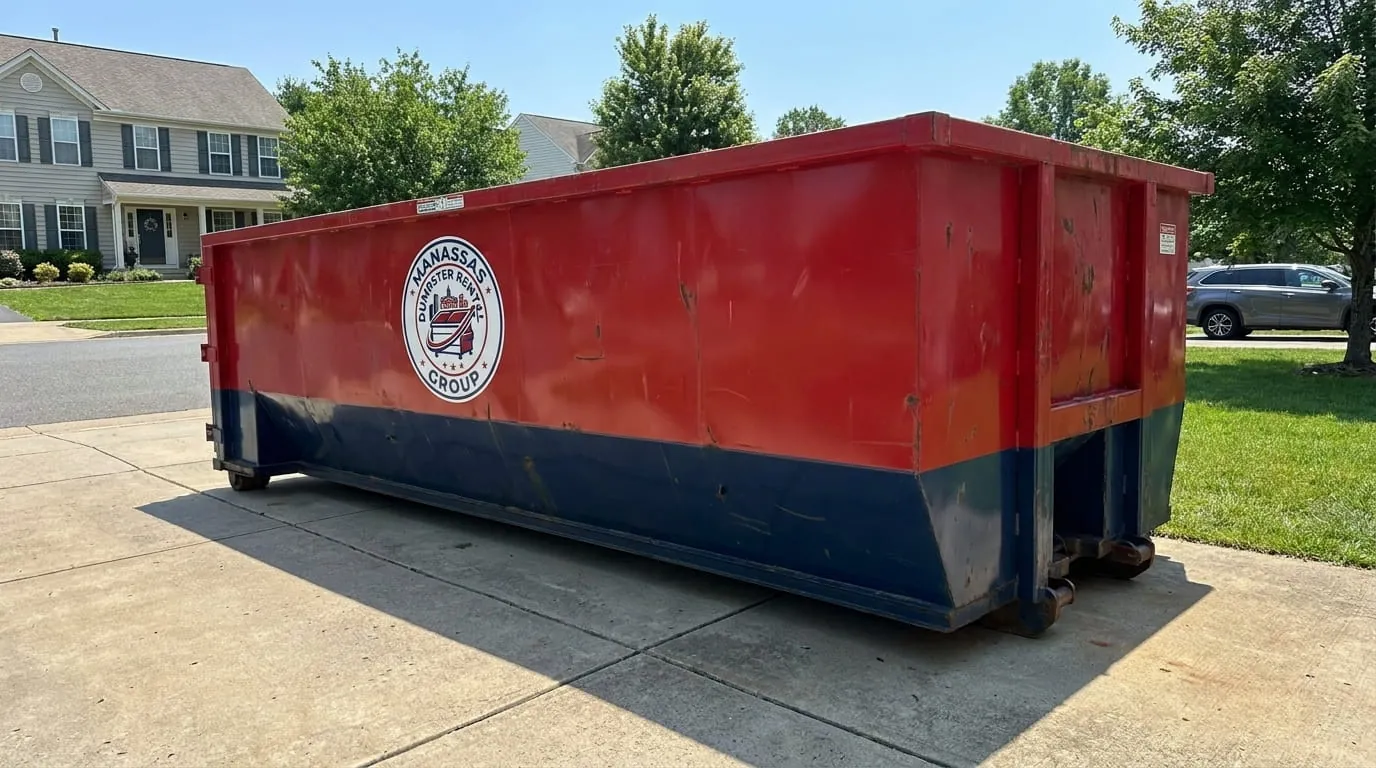
Spend enough time on a Prince William County job site and you learn a hard truth fast: the debris pile tells the story of how well the job was run. A tidy, sorted staging area means the crew stayed ahead of the mess. A mountain of mixed drywall, snapped 2x4s, and busted concrete shoved into one container means somebody paid too much at the transfer station and slowed the whole schedule down. Construction and demolition debris, what the industry calls C&D, is not garbage. It's material, and if you treat it like material you save money, keep the site safe, and stay on the right side of the county inspector.
Manassas has been busy. Between the data-center corridor pushing west along the Route 234 bypass, the residential infill going up around Bristow and Gainesville, and the constant tenant fit-outs downtown, we're hauling more C&D now than at any point I can remember. That volume is exactly why doing this right matters. Here's how a seasoned operator thinks about it.
Start by sorting: the four streams that matter
Most construction debris on a residential or light-commercial site breaks down into four buckets. Get these straight in your head and everything downstream gets easier.
Wood. Framing lumber, plywood, OSB, pallets, trim. Clean, untreated wood is one of the most recyclable materials on a site — it gets ground into mulch, boiler fuel, or engineered board feedstock. Pressure-treated and painted wood is a different animal. It can't go in the clean-wood stream because of the chemicals, so keep it separate. A pile of clean cutoffs is worth something. Mix in a few treated deck boards and the whole load gets downgraded to trash.
Drywall. Gypsum board is deceptively heavy and it loves to soak up water. New-construction scrap — the offcuts from hanging a house — is actually recyclable at facilities that reclaim gypsum. Demo drywall, especially anything that might predate the late 1980s, is trickier because of the joint compound and the small chance of asbestos in older texture. When in doubt on a renovation, test before you tear.
Metal. This is the one material you should almost never throw away. Copper wire, steel studs, ductwork, rebar, aluminum flashing, old appliances — scrap metal has real cash value. Pull it, bin it separately, and either sell it to a Manassas-area scrap yard or let your hauler credit you. Even the nail-embedded banding and busted electrical boxes add up over a full build.
Concrete, brick, and block. The heavy stuff. Broken slab, footing pours, chimney brick, CMU block — this is inert material that gets crushed and reused as aggregate and road base. It is also where guys blow their budget, because concrete is dense and dumpsters have weight limits. More on that in a second.
What's actually recyclable around here
People assume "recyclable" means the same thing everywhere. It doesn't — it depends entirely on where your hauler takes the load. In the Manassas and greater Prince William area, the strong recycling streams are clean wood, metal, concrete and masonry, cardboard, and unpainted gypsum. Roofing shingles can be recycled into asphalt pavement at the right facility. Corrugated cardboard from appliance and fixture boxes bales up cleanly if you flatten it and keep it dry.
The material that fights you is anything mixed or contaminated. A load of clean concrete gets recycled cheaply. That same concrete with rebar poking out, dirt caked on, and a few bags of trash tossed in becomes a "mixed C&D" load that costs more to process. The single most valuable habit on a job site is keeping streams from touching each other. It's not about being green for its own sake — separated material is simply cheaper to get rid of.
Heavy vs. light debris, and why weight limits bite
Here is the mistake I see most often, and it's an expensive one. A crew rents a big 30-yard roll-off, figures they've got plenty of room, and starts filling it with concrete and asphalt shingles. They fill maybe a third of the box by volume and the dumpster is already over its weight allowance. Now they're paying overage fees on a container that looks two-thirds empty.
Volume and weight are two completely different constraints, and dense debris hits the weight ceiling long before it fills the box. A cubic yard of loose framing scrap might weigh 300 pounds. A cubic yard of broken concrete weighs closer to 4,000. Same space, more than ten times the tonnage.
The rule I give every contractor: match the container to the material. Light, bulky debris — wood, drywall, insulation, cardboard, general demo — goes in a large roll-off where volume is the limit. Heavy debris — concrete, brick, dirt, asphalt — goes in a smaller dedicated container with a tonnage plan. Never dump a slab into your general-debris box and hope. If you're running a project with a lot of masonry or slab removal, set up a separate arrangement for concrete and heavy debris from day one and keep it walled off from everything else.
Choosing a contractor-friendly roll-off
Not all dumpster service is built for job sites, and the difference shows up fast when you're on a deadline. When you're vetting a roll-off for a build, here's what actually matters:
Sizing that fits the phase. A gut demo needs a 30 or 40-yard box. A kitchen remodel or a punch-list cleanup does fine with a 20. Roofing tear-offs want a smaller, heavier-rated container because shingles are dense. A good provider asks what the material is, not just how big you want it.
Swap-out speed. On an active build, a full dumpster that sits for three days is a stopped job. The measure of a contractor-friendly hauler is how fast they turn a swap — pull the full box, drop an empty, keep the crew moving. Ask about swap turnaround before you book, not after you're stuck.
Clear weight terms. You want the included tonnage and the per-ton overage spelled out up front. Surprises on the invoice sour a relationship fast. A straight operator tells you the number before the box hits the ground.
Placement and access. Roll-off trucks need room to set down and pick up. Driveway protection boards, tight urban lots downtown, HOA rules out in the newer subdivisions — a local crew that knows Manassas knows how to place a box without cracking your apron or blocking the lane. Our full breakdown of construction dumpster rental walks through sizing and placement for each project type.
If you're mid-project and not sure which size or setup fits what you're tearing out, call us at (571) 518-5792 and describe the material. Two minutes on the phone saves you an overage charge and a wasted swap.
Keeping the site safe and compliant
A clean site is a safe site — that's not a slogan, it's OSHA reality. Loose debris is the number-one trip hazard on a build, and protruding nails send more guys to urgent care than almost anything else. Sorting debris into containers as you go, rather than letting it drift into piles, does double duty: it keeps the recycling streams clean and it keeps walkways clear.
A few habits that keep inspectors and insurers happy:
- Don't overload. Material heaped above the container rails can't be legally hauled and can spill in transit. Keep it level with the top edge.
- Know what can't go in a roll-off. No paint, solvents, fuels, asbestos, or other hazardous material in a standard C&D box. These need dedicated handling, and putting them in a general dumpster is both illegal and a fine waiting to happen.
- Watch for older-home hazards. Renovations on pre-1980 Manassas housing stock can hide asbestos in flooring and insulation, and lead paint on trim. Test before demo; don't guess.
- Contain dust and runoff. Concrete cutting and drywall sanding generate fine dust that's both a health issue and a stormwater concern. Keep debris out of the storm drains.
Documentation matters too, especially on the larger commercial and data-center work. Many of those projects carry waste-diversion targets, and to hit them you need weight tickets showing how much material got recycled versus landfilled. That paperwork is a lot easier to produce when your streams were separated from the start.
Handling swaps on an active build
The rhythm of a well-run project is a rhythm of clean swaps. You don't want to overthink it, but you do want to plan it. A few things I tell crews:
Order the swap before the box is full, not after. The moment a container hits about 80 percent, it's time to call. That lead time means the empty shows up as the full one leaves, and nobody stands around waiting. If you wait until it's overflowing, you've already lost a half-day of productivity to a debris jam.
Stage your phases. A framing phase produces wood. A rock-and-tape phase produces drywall. A demo phase produces mixed heavy debris. If you can align your container to the phase, you naturally keep streams cleaner and your swaps get more efficient. On bigger jobs it's worth running two boxes at once — one for heavy, one for light — so nobody has to make a judgment call about where the concrete goes.
Keep the drop zone clear. A box that can't be pulled because a truck is parked in front of it, or a pallet of material got staged behind it, turns a five-minute swap into an aggravation. Treat the roll-off's footprint as reserved ground.
The bottom line for NoVA builders
Northern Virginia is in the middle of a construction cycle we haven't seen the likes of in years. The data centers alone are moving staggering volumes of concrete, steel, and packaging, and the residential and commercial work around Manassas is keeping every crew in the county busy. All of that generates debris, and how you handle it is a real line item — not an afterthought.
Sort your streams. Match your container to the material's weight, not just its bulk. Keep the site clean for safety and for the recycling that saves you money. Swap early and stage by phase. Do those four things and your disposal costs drop, your job site runs smoother, and your inspector has nothing to write up.
When you're ready to set up service for a build in Manassas or anywhere in Prince William County, reach out through our contact page or call the yard directly. We'll help you get the right box on the ground the first time.

Founder, Manassas Dumpster Rental Group — sharing straight advice from more than 15 years of local hauling experience.